

“One place for Technologists” is our mantra. This newsletter aims to provide a condensed source of knowledge for technical leads, software architects, software designers, senior software engineers, and developers.
We have redesigned our website experience to empower you for Cloud, Data Engineering, Platform Engineering , and Generative AI/Agentic AI. We aim to democratize learning and practicing pragmatic & modern technologies and make it accessible for all, inspired by the Open Source community.
Follow us on X (Twitter), Medium, Instagram, and YouTube for engineering & technology updates, webinars, and blogs.
Vedcraft Articles
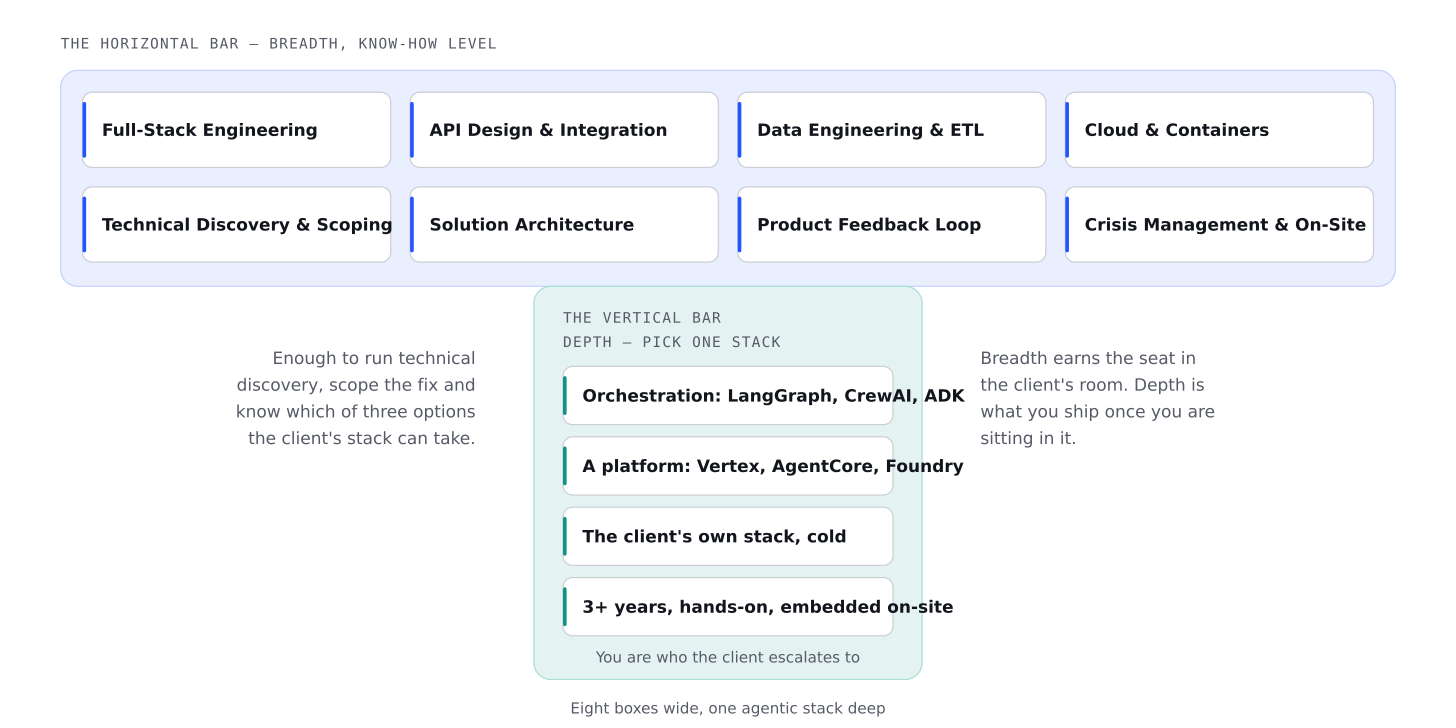
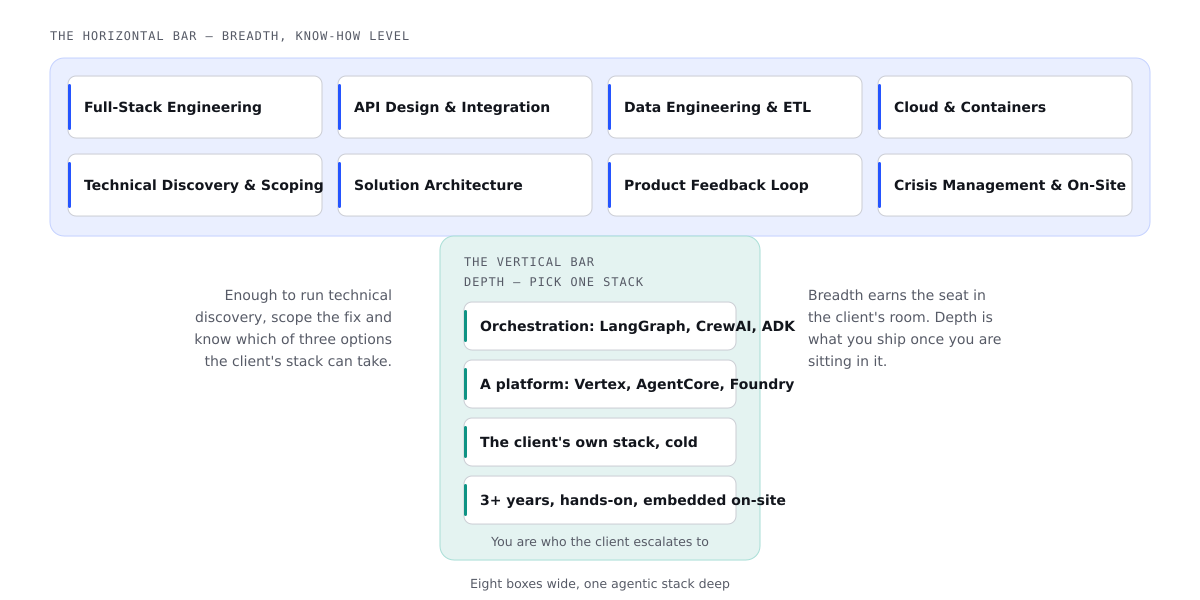
What Skills Do You Need for an FDE Role? A T-shaped Career Guide — A T-shaped skill map for the Forward Deployed Engineer role — eight breadth areas, a nine-week agentic AI depth stack, and seven client platforms.
NVIDIA Releases Nemotron 3.5 Lightning, a Fast Open Model for Agents — NVIDIA Nemotron 3.5 Lightning: a 30B/3B MoE model for fast, open agents with 4x throughput and 1M-token context.
Frontier Models Reignite the Race: Six Releases in One Week - Frontier labs reignited the release cycle this week, shipping six notable models in quick succession: xAI’s Grok 4.6, Google’s Gemini 3.7 Flash, DeepSeek’s V4 Pro, OpenAI’s GPT-5.6-Cyber, Meta’s Muse Glimmer, and NVIDIA’s Nemotron 3.5 Lightning. Between long-running agents, half-price flash models, and purpose-built cyber-defense models, the pace of frontier releases shows no sign of slowing.
Architecture Center
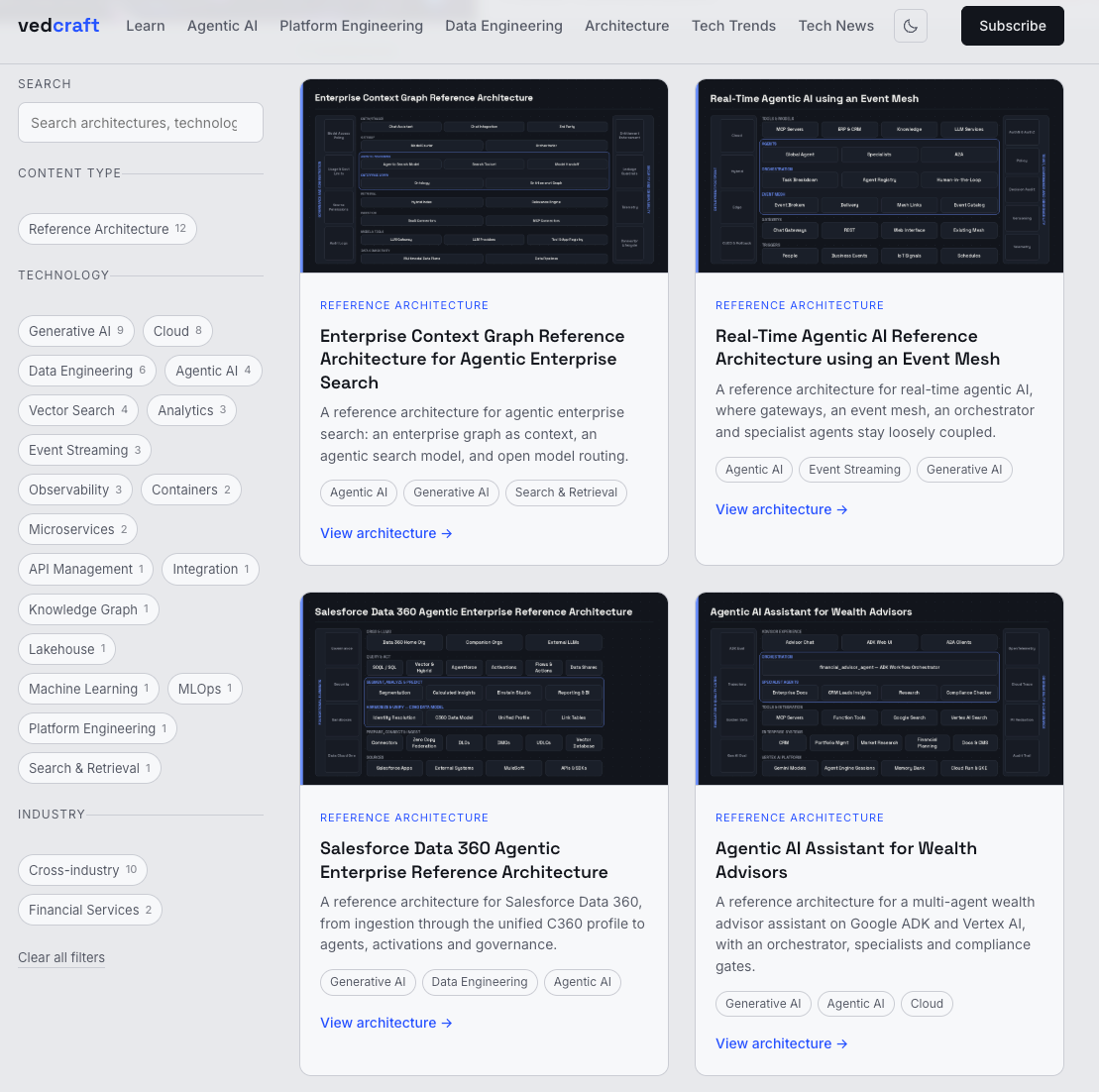
We have consolidated essential reference architecture as per industry standards and launched a Reference Architecture Section:
Enterprise Context Graph Reference Architecture for Agentic Enterprise Search
Real-Time Agentic AI Reference Architecture using an Event Mesh
Salesforce Data 360 Agentic Enterprise Reference Architecture
Databricks Data Intelligence Platform Reference Architecture
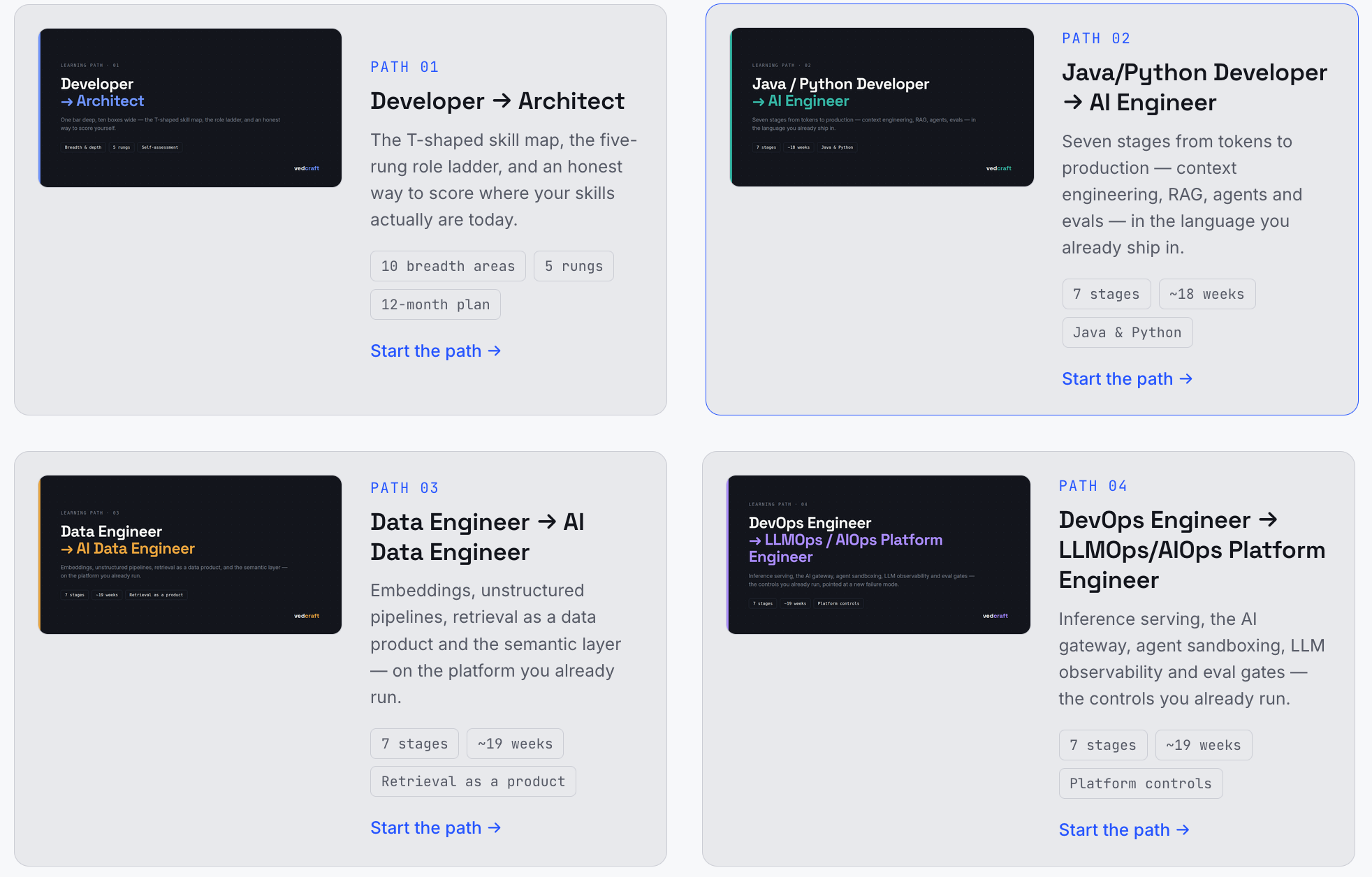
Learning Paths
We have added these learning paths to help accelerate adoption of Agentic AI and Generative AI to keep yourself relevant in the competitive market.
You can choose a simple approach by focusing on below path to start your journey:
1️⃣ Agentic AI Framework: LangGraph / CrewAI / PydanticAI / Google ADK
2️⃣ Memory Management: Mem0 or Zep or LangMem. Focus on understanding the concepts of short-term and long-term memory management first
3️⃣ RAG and Agentic RAG: Concepts of embedding generation, document ingestion and chunking strategies, summarization, etc. + Semantic Search using a Vector data store (use any Vector DB: Chroma, Pinecone, pgvector, etc.) or now mostly all DBs are supporting vector search capabilities
4️⃣ Observability for Agents: start with LangSmith or Langfuse and explore other options. Focus on understanding the agent evaluations.
Explore more on learning paths on our website:
Articles / POVs You Should Not Miss
Using BigQuery Graphs with measures for trusted agentic workloads — Google Cloud explains how to model agentic workloads as graphs in BigQuery, adding built‑in measures for provenance and policy enforcement. Enterprise data engineers should read it to design auditable AI pipelines on the data lake. (Google Cloud Blog)
Advancing AI model interoperability with Docker and ModelPack — CNCF details a Docker‑based packaging format that lets teams swap model runtimes without code changes. Platform engineers building multi‑model services can use ModelPack to reduce integration friction. (CNCF)
LLMOps and platform engineering: Who should own the AI pipeline? — CNCF discusses the shifting responsibilities for AI model production, outlining roles for platform teams versus data scientists. Architecture leaders need to decide where to place ownership of model serving, monitoring, and cost control. (CNCF)
Technology News
Track generative AI costs with Amazon Bedrock inference profiles — AWS Architecture walks through tagging and profiling to allocate LLM inference spend by department. Finance and engineering leads can use the guide to enforce budget guardrails. (AWS Architecture)
Monitor on‑premises and multi‑cloud AI agents with AgentCore Observability — AWS shows how to instrument Bedrock AgentCore agents running outside AWS using ADOT and OpenTelemetry. Ops teams can now get unified traces for hybrid deployments. (AWS ML)
CNCF reveals KubeCon + CloudNativeCon North America 2026 schedule — The event adds a dedicated AI inference and agentic track, highlighting production‑grade AI on Kubernetes. Attendees should note the emerging best‑practice sessions for AI ops. (CNCF)
Innovative Tools and Technologies
Automate legacy web applications with Amazon Bedrock AgentCore Browser Tool — AWS provides a reference architecture that uses a browser‑automation tool to let agents interact with legacy UIs. Developers can prototype agentic automation for old internal portals this week. (AWS ML)
Adobe Firefly: Simplified observability with Amazon Managed Prometheus — Adobe migrated its GPU metrics to Amazon Managed Prometheus, achieving 28× faster queries. Teams running heavy generative workloads can adopt the same managed stack for low‑latency monitoring. (AWS Architecture)
Food for Thought
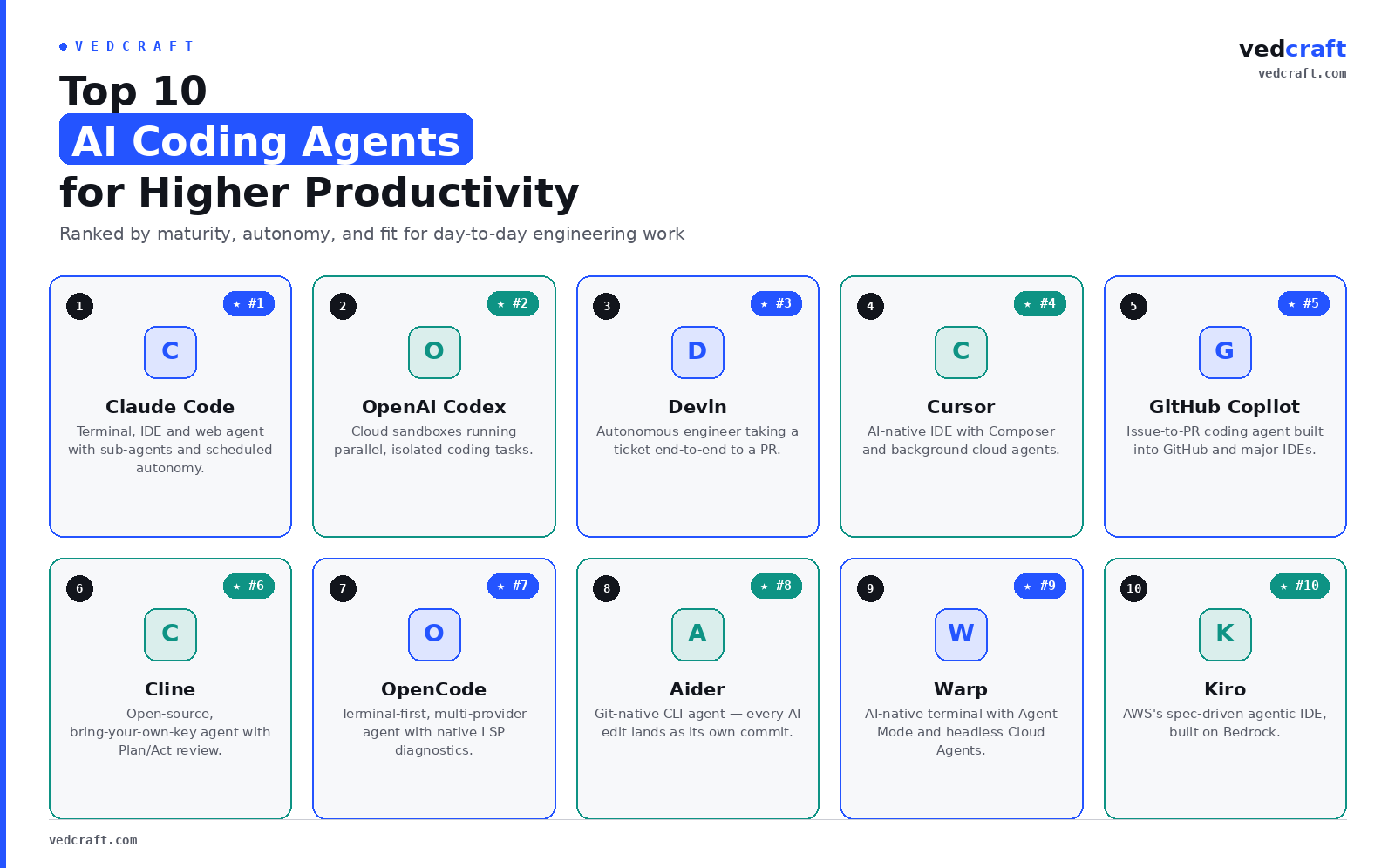
As the Claude, Codex, Gemini, Cursor, Kiro, Copilot, any many more AI Coding Agents are having a competitive features, what’s your preferred tool? Are you exploring Open-source and vendor-neutral options such as Cline, OpenCode, Pi, OpenHands, Aider, or more?
Thanks for reading this newsletter. If you enjoyed this newsletter, please send us your feedback and share it with others!