


“One place for Technologists” is our mantra. This newsletter aims to provide a condensed source of knowledge for technical leads, software architects, software designers, senior software engineers, and developers.
We have redesigned our website experience to empower you for Cloud, Data Engineering, Platform Engineering , and Generative AI/Agentic AI. We aim to democratize learning and practicing pragmatic & modern technologies and make it accessible for all, inspired by the Open Source community.
Follow us on X (Twitter), Medium, Instagram, and YouTube for engineering & technology updates, webinars, and blogs.
Vedcraft Articles
Frontier Models Reignite the Race: Six Releases in One Week — A roundup of six frontier releases in one week: Grok 4.6, Gemini 3.7 Flash, DeepSeek V4 Pro, GPT-5.6-Cyber, Muse Glimmer, and Nemotron 3.5 Lightning.
AWS Acquires DuckLabs: DuckDB Stays Open Source - Nothing changes near-term for existing deployments — the license, core team, and governance are unchanged. Teams building on AWS can expect the S3 and analytics-service integrations to mature faster; teams on other clouds should keep an eye on whether future feature work starts favoring AWS-native paths.
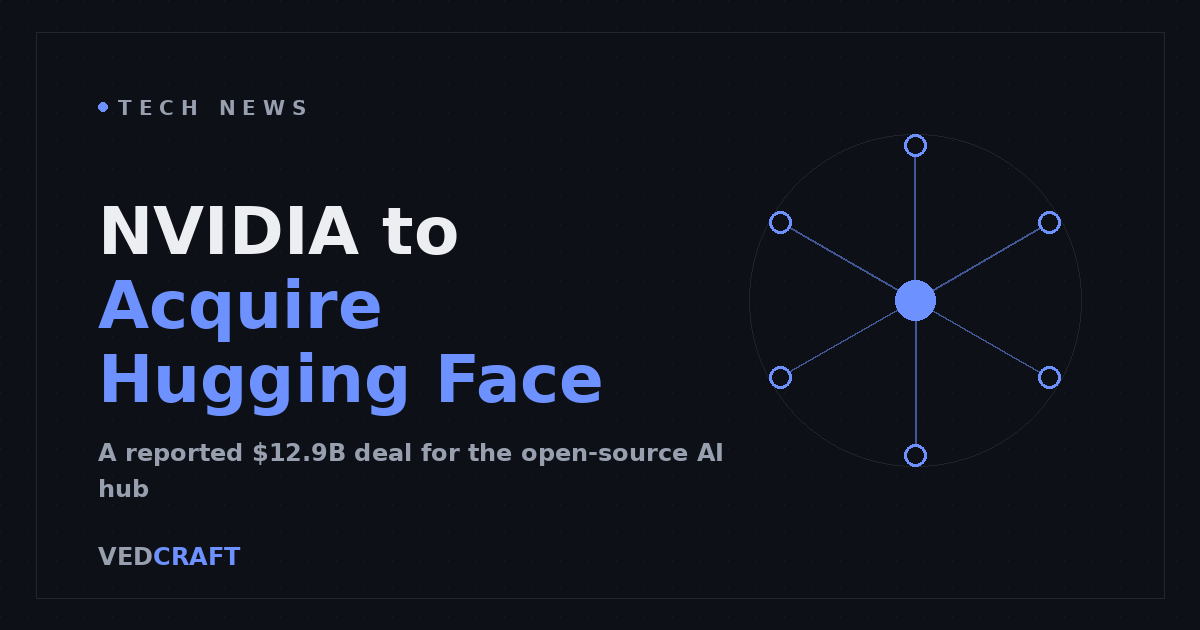
NVIDIA-Hugging Face Deal: What It Means for Open-Source AI - The implication is longer-term: watch for NVIDIA-specific defaults creeping into SDKs and hosted inference, and keep any agent stack you’re building portable enough to not depend on Hugging Face staying vendor-neutral forever.
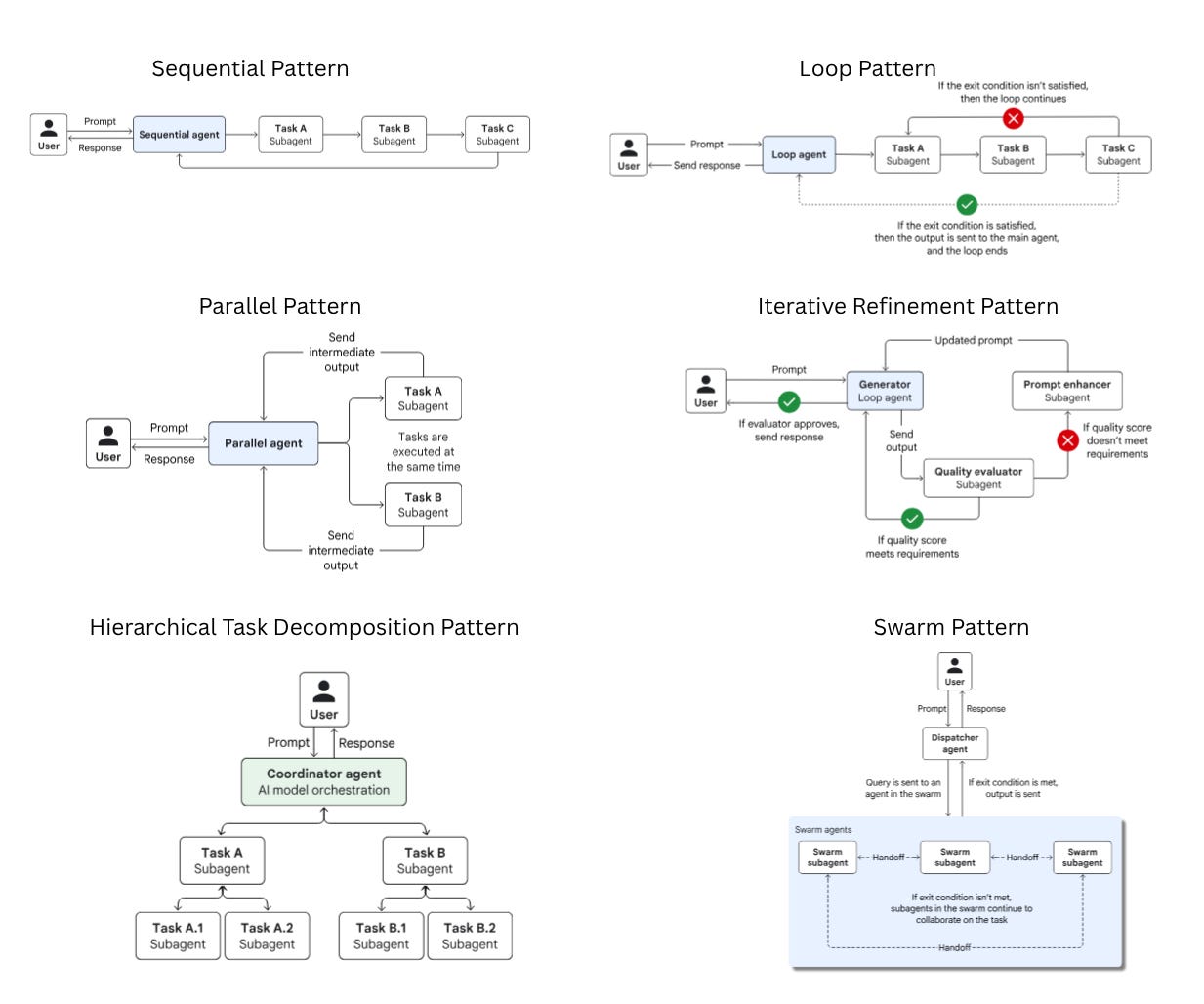
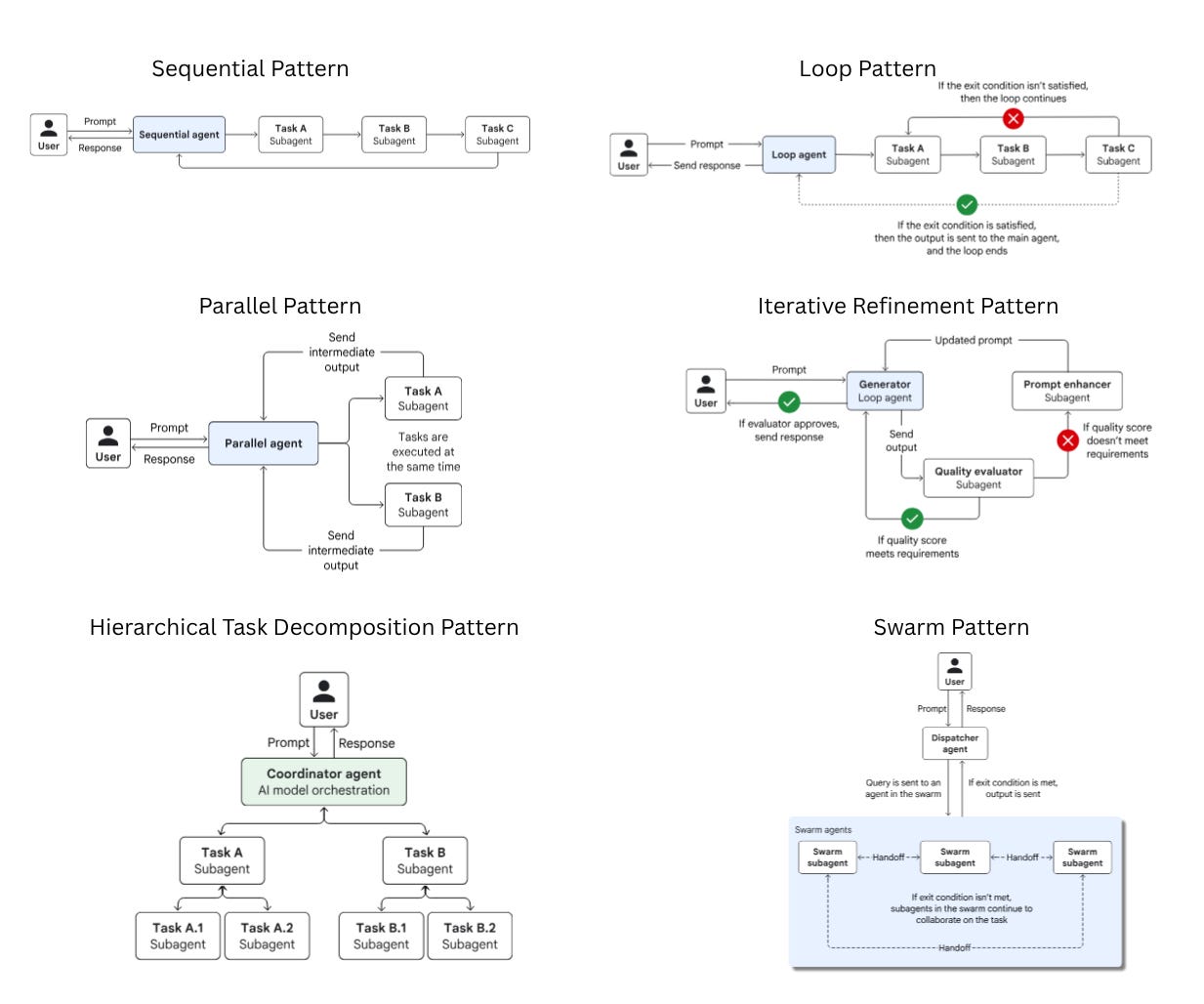
Agentic Design Patterns: Google Cloud Reference - Collection of patterns curated from Google Cloud documentation
Articles / POVs You Should Not Miss
Reducing Text2SQL latency with parameterized query templates — Shows an intelligent caching layer that cuts Text2SQL latency by 80% and token use by half. Relevant for teams building LLM‑backed data‑access layers. (AWS Architecture)
Serverless vehicle tracking at scale: Bosch L.OS on AWS — Describes how Bosch built a serverless vehicle‑tracking platform on AWS using event‑driven services. Architecture details are useful for platform engineers designing real‑time logistics solutions. (AWS Architecture)
Scaling patterns for self‑organizing multi‑agent clusters with Kiro — Explains how to coordinate AI agents via shared state in S3 instead of a central orchestrator, with open‑source Kiro‑flock. Engineers interested in decentralized agent orchestration will find concrete patterns. (AWS Architecture)
Technology Architecture Highlights
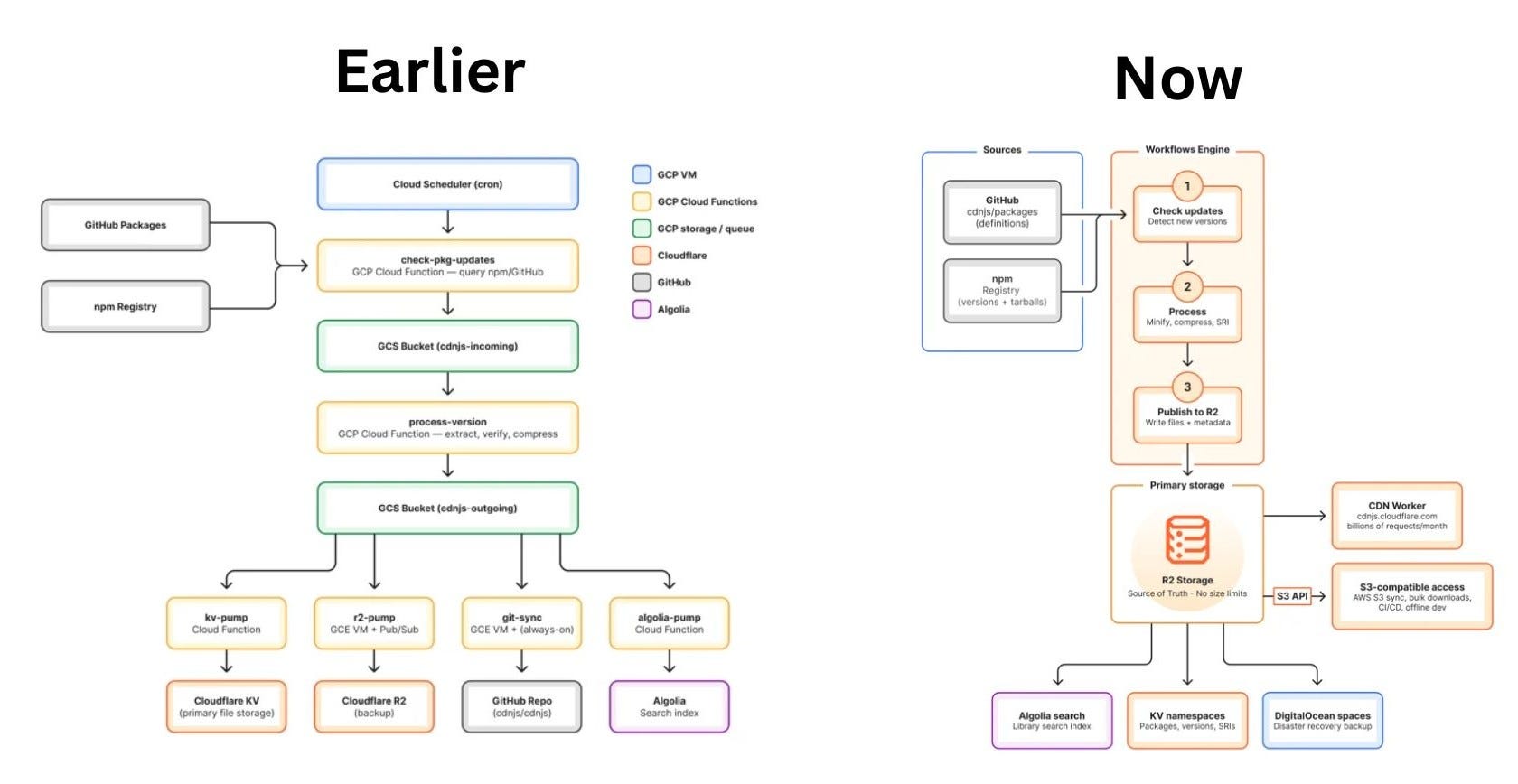
Cloudflare Migrates JavaScript CDN Serving 9B Requests a Day to Its Developer Platform — Details Cloudflare’s migration of the cdnjs CDN onto its developer platform, illustrating large‑scale edge infrastructure changes. Readers tracking CDN evolution and developer‑centric services should note the operational impact. (InfoQ Architecture)
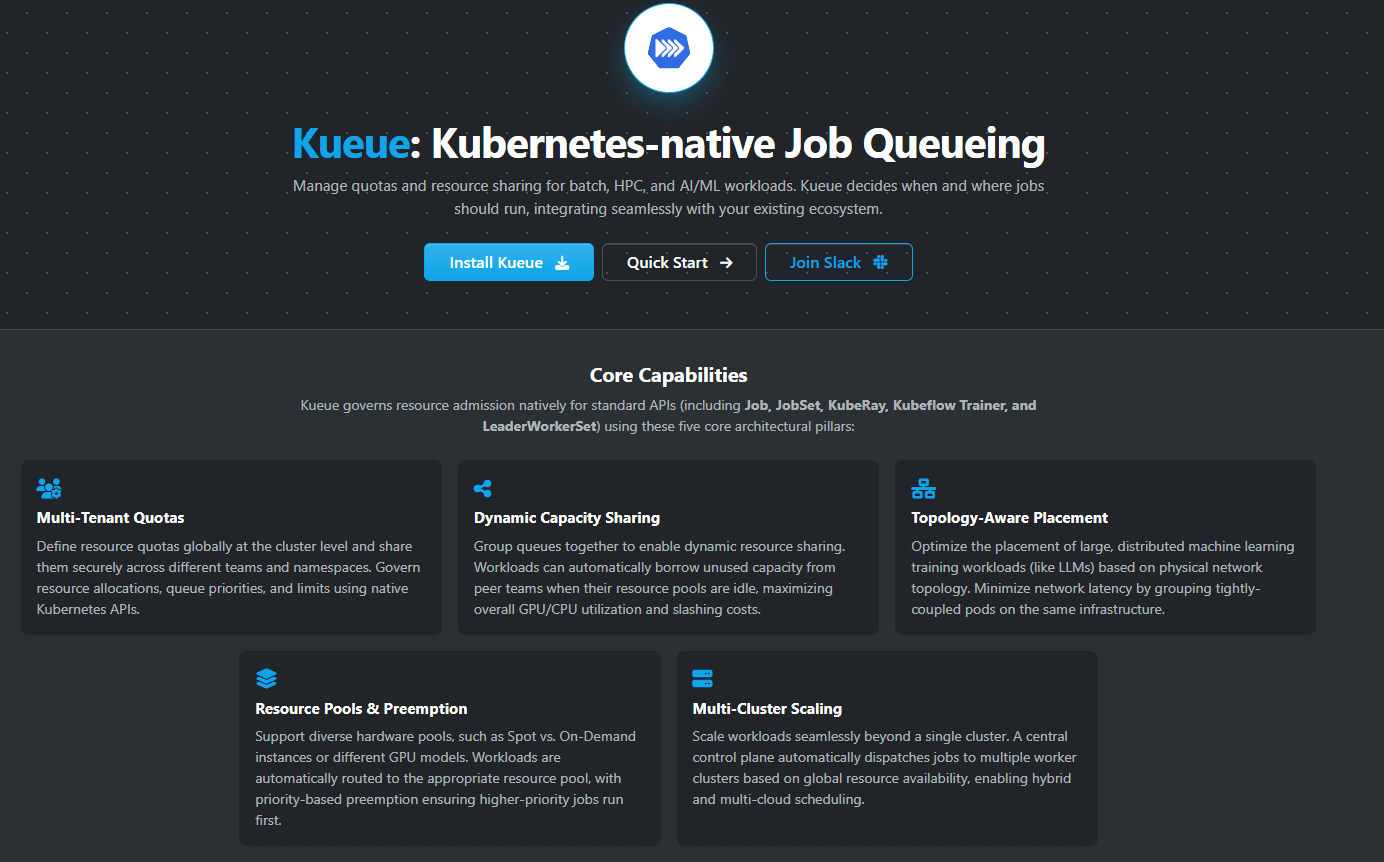
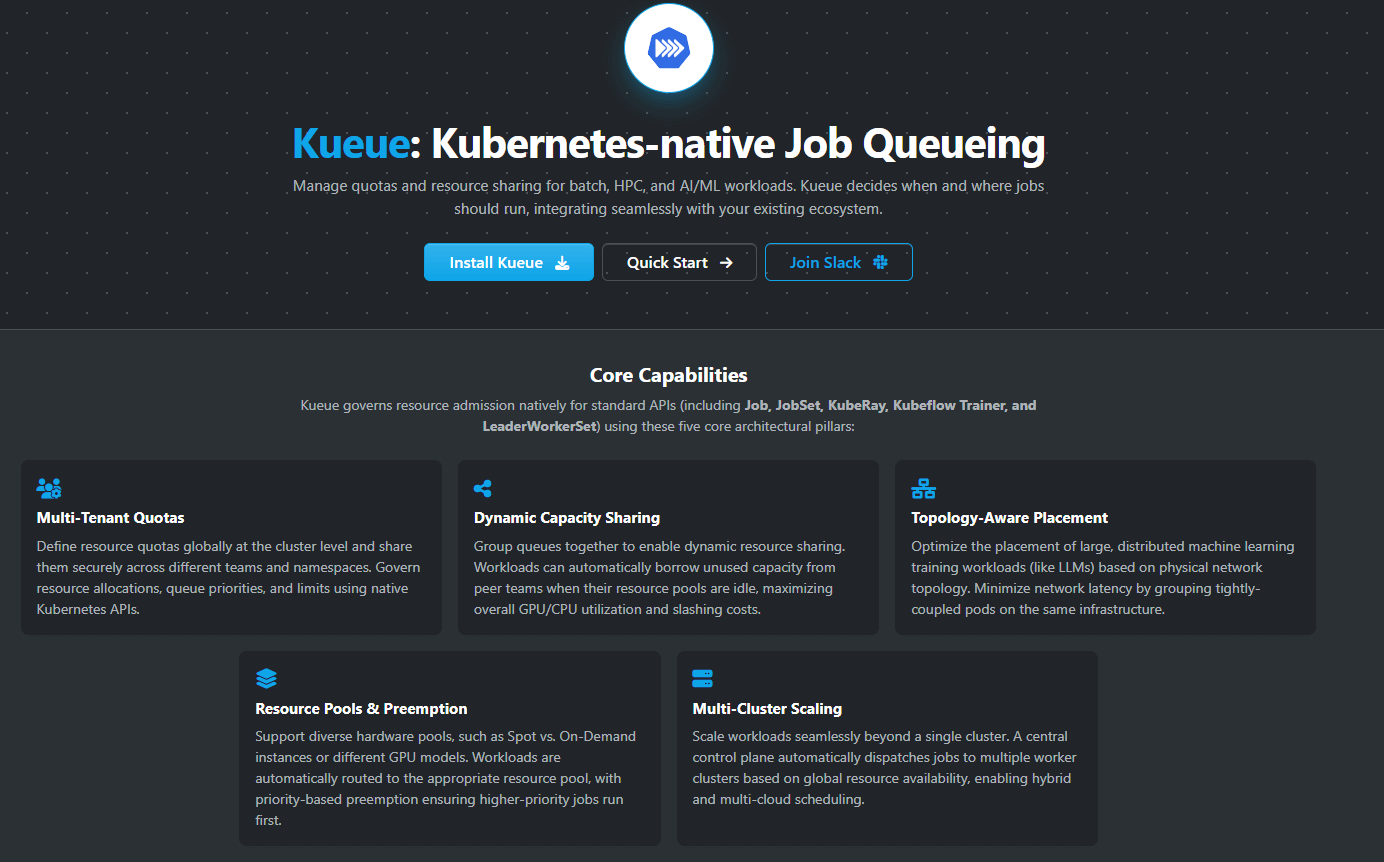
Netflix Adopts Cloud‑Native Job Queueing System Kueue to Replace an In‑House Solution — Netflix replaces its custom batch system with Kueue, an open‑source Kubernetes job scheduler, highlighting a shift toward cloud‑native batch processing. Useful for architects evaluating batch workloads on k8s. (InfoQ Architecture)
(Source: https://kueue.sigs.k8s.io) Google named a Leader in The Forrester Wave™: AI Platforms, Q3 2026 — Google Cloud announces its Forrester Wave leadership, summarizing strengths in managed AI services and agentic workflow tooling. Provides market context for teams choosing a cloud AI platform. (Google Cloud Blog)
Innovative Tools and Technologies
sqlite‑utils 4.2 released — The sqlite‑utils CLI gains bulk‑upsert and improved schema‑diff features, making SQLite more pleasant for data‑pipeline prototyping. Perfect for engineers needing a lightweight DB tool on a Monday. (Simon Willison)
llm‑gemini 0.33 released — Simon Willison’s llm‑gemini client adds support for Gemini‑1.5 and new streaming options, ready for quick experiments with Google’s models. Developers can try it today in a Python REPL. (Simon Willison)
What’s Not to Skip
Microsoft Azure Blog — The Economics of Agent Optimization: From pilots to measurable returns
OpenAI Blog - From assistance to execution: How enterprises put AI to work
Food for Thought
As autonomous agents proliferate, how should organizations enforce governance without stifling the speed of innovation?
Considering the state of evolving Agentic AI architecture landscape, food for thought to think and explore pros/cons of below system design approaches:
Central orchestration vs. decentralized state‑based agent coordination
Balancing cost visibility tools with the push for rapid AI feature rollouts
Open‑source model/client releases challenging cloud‑provider‑locked AI stacks
Thanks for reading. If something here was useful, forward it to one person who’d also find it useful. More at vedcraft.com.